
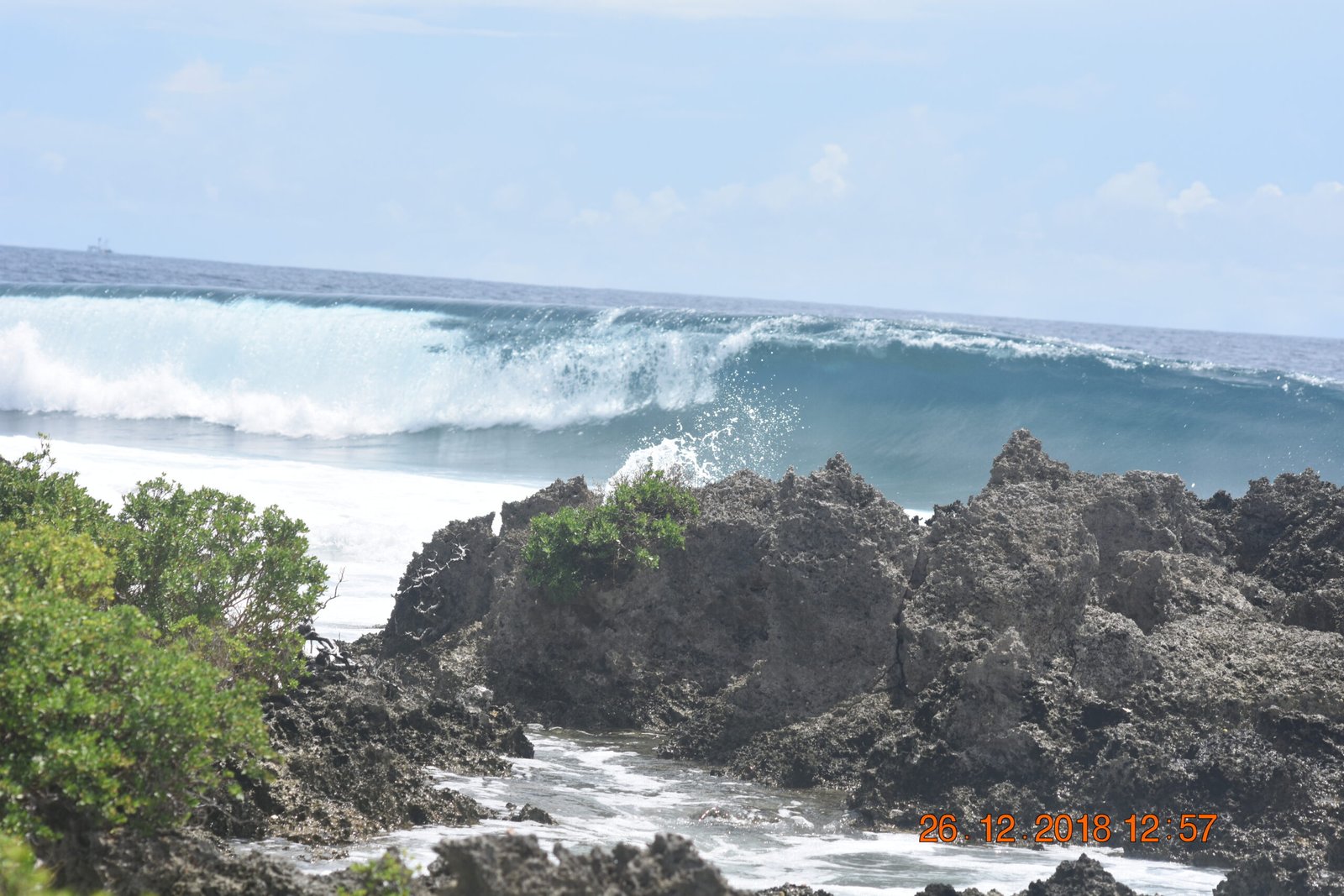
To Build 3 MPAs on the island with the adaptation of the “Nature Based Solutions” to address the threats causes by Climate Change and human activities on the island.
Strategy
Key strategies include engaging local users and indigenous knowledge, integrating MPAs into broader blue economy plans, securing long-term funding, building local governance capacity, and creating networks that protect key habitats and replicate critical areas for ecological resilience.
Key Strategies for Building MPAs
1. Initial Planning & Skill
- Identify Key Areas: Prioritize ecologically significant sites, including spawning grounds, nursery areas, high-biodiversity spots, and vulnerable ecosystems.
- Use Local & Traditional Knowledge: Integrate community knowledge with scientific data for better site selection and management.
- Set Clear Goals: Define specific conservation objectives (e.g., protecting species, habitats, economic benefits) and tailor management to achieve them.
2. Governance & Stakeholder Engagement
- Co-management: Establish advisory committees and involve local communities and fishers in decision-making to build shared responsibility.
- Strong Frameworks: Develop rules to support MPA establishment, coordination, and
- Cross-Sectional Integration: Link MPAs with fisheries, tourism, and broader coastal zone management plans.
3. Sustainable Investment
- Diversify Funding: Secure long-term financing through government budgets, private sector partnerships, tourism fees, and blended finance models.
- Build Financial Capacity: Train members in fundraising and financial management.
4. Management & Monitoring
- Adaptive Management: Continuously monitor, evaluate, and adjust MPA strategies in response to environmental changes.
- Technology Leverage: Use modern tools for monitoring, compliance, and enforcement (e.g., satellite tracking, drones).
- Enforcement: Develop effective enforcement plans and increase capacity for patrols and regulatory oversight.
Outcomes
Planting corals (coral restoration) within Marine Protected Areas (MPAs) significantly enhances reef health by combining habitat restoration with protection from human-induced stressors.
Key Ecological Outcomes
- Improved Coral Cover and Resilience: MPAs help stabilize coral cover, while unprotected reefs often continue to decline.
- Increased Biodiversity: Successful restoration combined with MPA protection can lead to a five-fold increase in fish species richness and a three-fold increase in fish density.
- Improved Coral Recruitment: Healthy fish populations, particularly herbivores protected within MPAs, control macroalgal growth, which facilitates a two-fold increase in natural coral settlement and recruitment.
- Synergistic Protection: No-take zones (NTZs) within MPAs provide the best conditions for outplanted corals to thrive by eliminating destructive fishing practices and anchor damage.
Socio-Economic Outcomes
- Coastal Protection: Restored reefs act as natural barriers, reducing wave energy and protecting shorelines from erosion and storm damage.
- Fisheries Support: Increased coral structure within MPAs boosts fish biomass and abundance, which can “spill over” into adjacent fishing grounds, improving local food security.
- Tourism Revenue: Healthy, restored reefs attract high-value tourism like SCUBA diving, generating significant income for local communities.